A damaged or missing tooth can affect much more than the appearance of your smile. It can make chewing uncomfortable, affect your speech, change your bite, and allow surrounding teeth to shift. Fortunately, modern restorative dentistry offers effective solutions for restoring both the function and appearance of your teeth.
Two of the most common restorative treatments are dental crowns and dental bridges. If you are searching for dental crowns Jersey City or dental bridges Jersey City, understanding how these treatments work can help you make an informed decision about your dental health.
At Ararat Dental, patients in Jersey City and surrounding Hudson County communities can receive personalized restorative dental care designed around their individual needs.
What Is a Dental Crown?
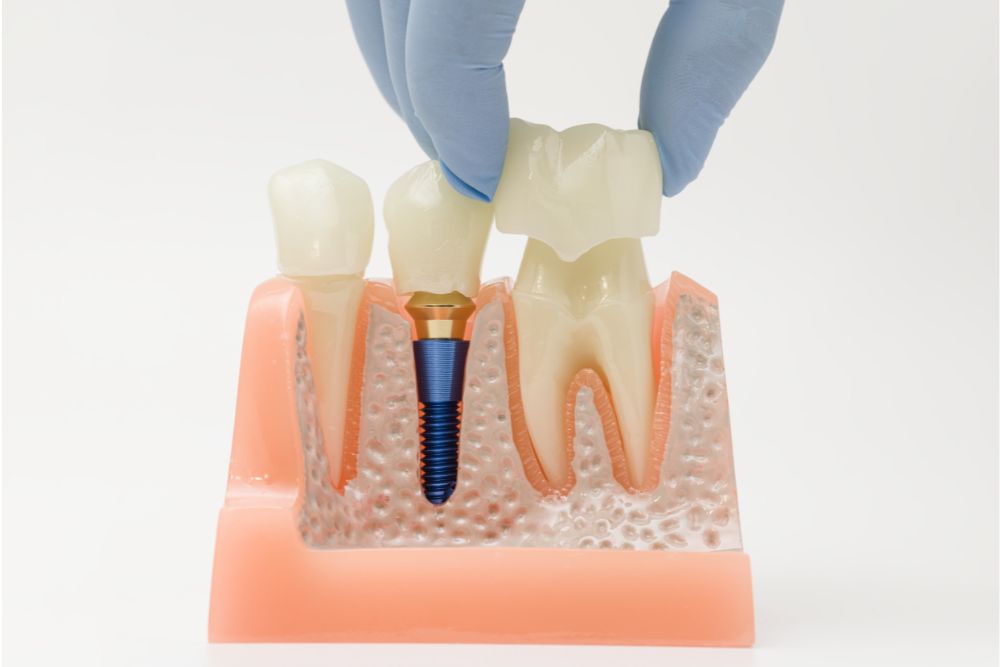
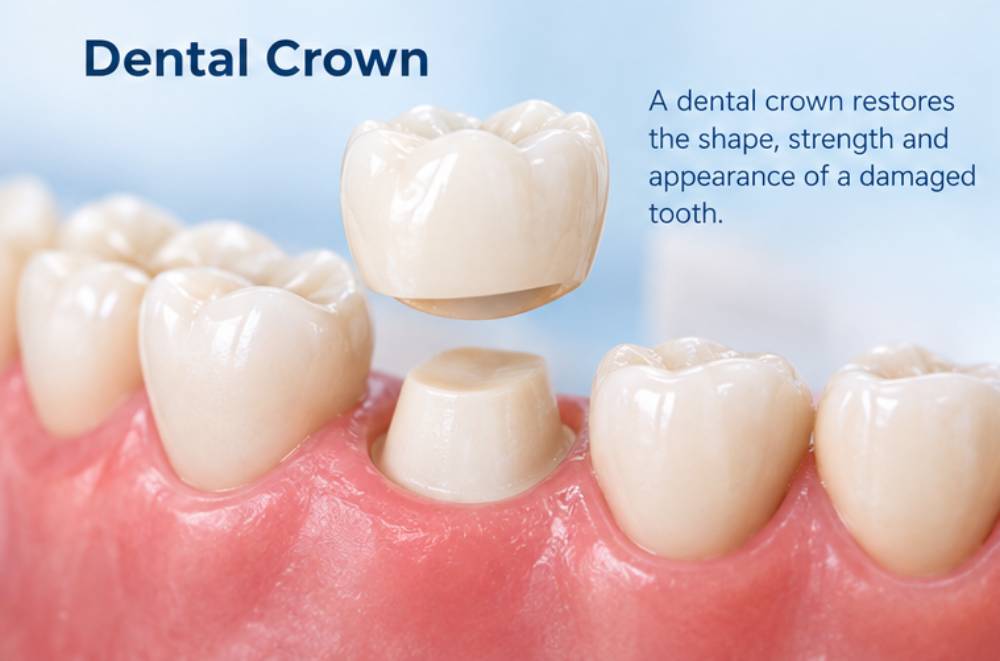
A dental crown, sometimes called a “tooth cap,” is a custom restoration that covers a damaged or weakened tooth. A crown can restore the tooth’s shape, strength, appearance, and function.
Dentists may recommend a crown when a tooth has experienced significant damage that cannot be adequately repaired with a traditional filling.
Common Reasons for Dental Crowns
You may benefit from a dental crown if you have:
- A cracked or fractured tooth
- Extensive tooth decay
- A large or failing filling
- A weakened tooth following root canal treatment
- A severely worn or damaged tooth
- A dental implant that needs a final restoration
- A tooth that requires cosmetic improvement
The goal of a crown is not simply to improve appearance. A properly designed restoration can also help protect the remaining natural tooth structure and restore normal chewing function.
Choosing Dental Crowns in Jersey City
When looking for dental crowns in Jersey City, it is important to consider more than just the type of material used. Your dentist should evaluate the location of the tooth, your bite, the amount of remaining tooth structure, your cosmetic goals, and your overall oral health.
At Ararat Dental, different crown materials may be considered depending on the individual situation.
Porcelain and Ceramic Crowns
Porcelain and ceramic crowns can provide a natural-looking appearance because they can be designed to closely resemble the color and shape of natural teeth. They can be particularly useful when aesthetics are an important consideration.
Zirconia Crowns
Zirconia is known for its strength and durability. Depending on the patient’s needs, zirconia may be considered for teeth that experience significant chewing forces.
Porcelain-Fused-to-Metal Crowns
Porcelain-fused-to-metal restorations combine a strong underlying structure with a tooth-colored exterior. They have been used in restorative dentistry for many years.
Your dentist can help determine which material is appropriate for your specific tooth and treatment goals.
What Is a Dental Bridge?
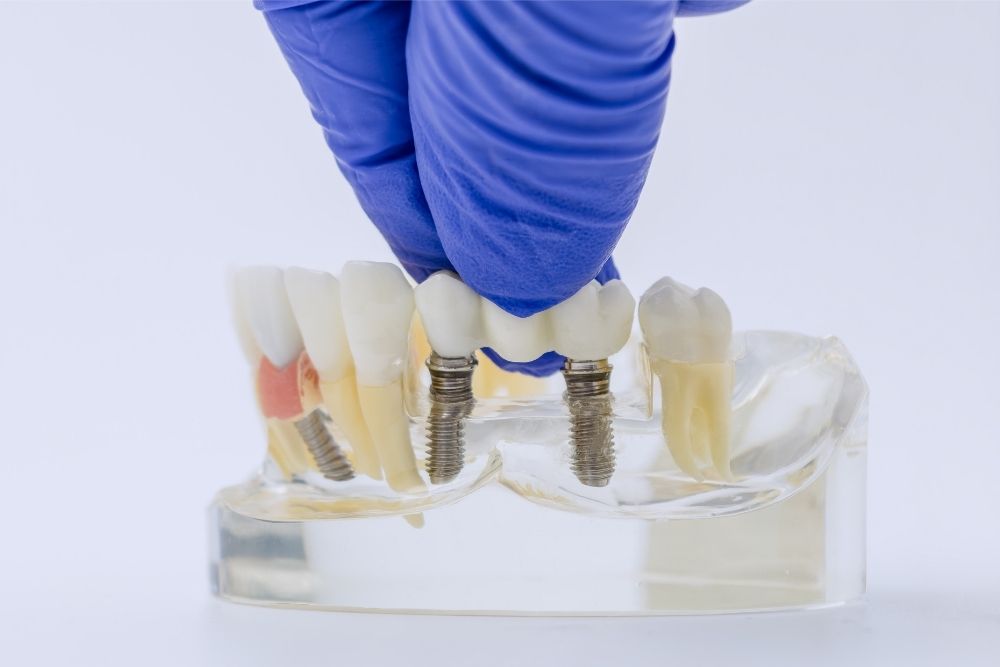
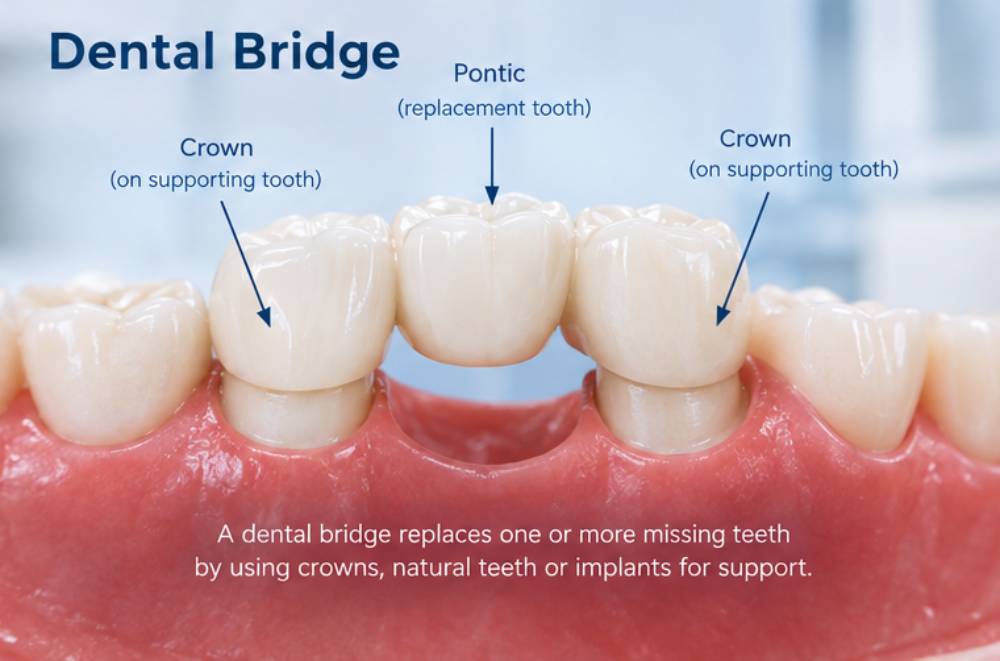
A dental bridge is a restoration designed to replace one or more missing teeth. It typically consists of an artificial tooth, known as a pontic, supported by crowns, natural teeth, or dental implants.
A bridge can close the visible gap left by a missing tooth while helping restore chewing and speaking function.
If you are searching for dental bridges Jersey City, a dental consultation is the best way to determine whether a bridge is appropriate for your smile.
Why Replace a Missing Tooth?
Leaving a missing tooth untreated can affect your oral health over time. Depending on the location of the missing tooth, you may experience:
- Difficulty chewing certain foods
- Changes in speech
- Movement or shifting of neighboring teeth
- Changes in your bite
- Increased stress on remaining teeth
- A noticeable gap in your smile
Replacing the missing tooth can help restore the balance and function of your smile.
Types of Dental Bridges
There are several types of dental bridges, and the appropriate option depends on the number and location of missing teeth as well as the condition of your surrounding teeth.
Traditional Dental Bridges
A traditional fixed bridge uses crowns placed on supporting teeth next to the missing tooth. The artificial tooth is attached between them.
This is one of the most commonly used types of dental bridges.
Cantilever Bridges
A cantilever bridge may be considered when there is only one suitable supporting tooth adjacent to the missing tooth. Whether this option is appropriate depends on the location of the missing tooth and the forces placed on the restoration.
Implant-Supported Bridges
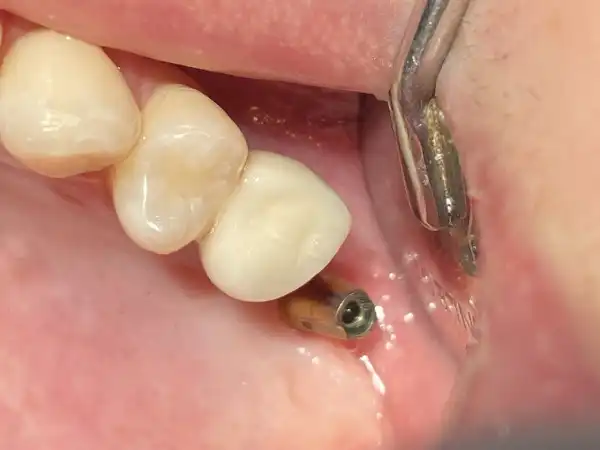
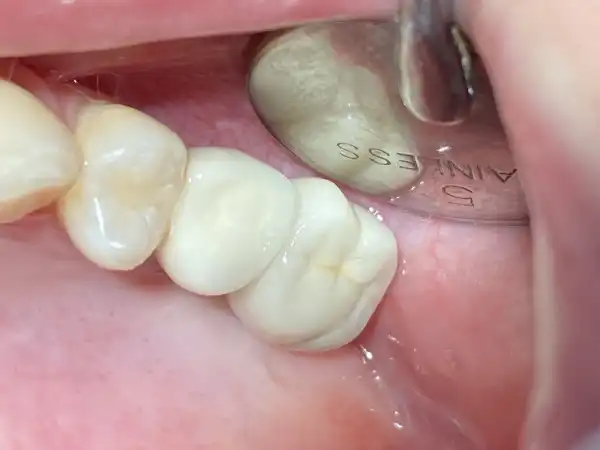
Implant-supported bridges use dental implants rather than relying entirely on neighboring natural teeth for support. They may be an option for patients who are missing multiple teeth.
A comprehensive examination is necessary to determine whether implants and an implant-supported bridge are appropriate.
Dental Crowns vs. Dental Bridges: What’s the Difference?
Although crowns and bridges are both restorative treatments, they serve different purposes.
A dental crown generally restores or protects an individual damaged tooth.
A dental bridge is primarily used to replace one or more missing teeth by spanning the space between supporting structures.
In some cases, crowns are actually part of a traditional dental bridge. This is why your dentist needs to evaluate the entire area before recommending treatment.
What Can You Expect During Treatment?
Your treatment will depend on whether you are receiving a crown, a traditional bridge, or an implant-supported restoration.
Generally, the process begins with a comprehensive examination. Your dentist evaluates your teeth, gums, bite, and the surrounding structures before developing a personalized treatment plan.
For a traditional crown or bridge, the supporting tooth or teeth may need to be prepared. Impressions or digital scans can then be used to create a restoration designed to fit your mouth.
Once the permanent restoration is ready, your dentist checks the fit, bite, appearance, and comfort before completing the placement.
How Long Do Dental Crowns and Bridges Last?
The lifespan of a crown or bridge varies from person to person. Oral hygiene, bite forces, diet, tooth grinding, the condition of supporting teeth, and regular dental care can all affect longevity.
Good daily oral hygiene and regular dental examinations are important for protecting both your restoration and your natural teeth.
If you grind or clench your teeth, talk with your dentist about ways to protect your restoration from excessive forces.
How to Care for Your Crown or Bridge
After receiving a crown or bridge, maintaining good oral hygiene is essential.
You should:
- Brush twice a day with fluoride toothpaste
- Clean carefully around the restoration
- Floss regularly
- Follow your dentist’s recommendations for cleaning underneath a bridge
- Avoid using your teeth to open packages or bite hard objects
- Attend regular dental examinations and professional cleanings
- Contact your dentist if the restoration feels loose, painful, or damaged
A crown or bridge is designed to function like a natural part of your smile, but it still requires proper care.
Why Choose Ararat Dental for Crowns and Bridges in Jersey City?
Ararat Dental provides restorative, cosmetic, and general dentistry for patients in Jersey City and surrounding communities. The practice offers porcelain crowns and bridges, along with other restorative treatments such as dental implants and root canal therapy.
The office is conveniently located at 3171 John F. Kennedy Blvd, Jersey City, NJ 07306, serving patients from areas including Journal Square, The Heights, Downtown Jersey City, and surrounding Hudson County communities.
Ararat Dental also offers evening and Saturday appointments, making it easier for busy patients to schedule dental care.
Frequently Asked Questions About Dental Crowns and Bridges
How do I know if I need a dental crown?
A dentist may recommend a crown when a tooth is significantly weakened, cracked, decayed, worn, or otherwise unable to be adequately restored with a filling. An examination is necessary to determine the best treatment.
Are dental crowns painful?
Dental crown treatment is performed with appropriate local anesthesia to keep you comfortable. Some temporary sensitivity can occur after treatment, but your dentist can provide guidance based on your individual situation.
How do dental bridges stay in place?
Traditional bridges are generally supported by crowns placed on adjacent teeth. Other bridge designs may use a single supporting tooth or dental implants, depending on the patient’s needs.
Can a dental bridge replace multiple teeth?
Yes. Certain types of bridges can replace multiple missing teeth. Implant-supported bridges may also be considered when several adjacent teeth are missing.
Are dental crowns and bridges covered by insurance?
Coverage varies according to your dental insurance plan, treatment needs, deductible, and benefits. Before treatment, ask your dental office to review your expected costs and insurance coverage.
Restore Your Smile with Dental Crowns or Bridges in Jersey City
Whether you have a damaged tooth or are living with one or more missing teeth, restorative dentistry can help you regain a comfortable, functional smile.
If you’re searching for dental crowns Jersey City or dental bridges Jersey City, Ararat Dental can evaluate your smile and discuss treatment options based on your individual needs.
Ararat Dental
3171 John F. Kennedy Blvd
Jersey City, NJ 07306
Phone: (201) 533-0005
Schedule a consultation to learn whether a dental crown, dental bridge, implant restoration, or another treatment is right for you.