Wisdom Teeth Removal in Jersey City
Safe and Comfortable Tooth Extraction at Ararat Dental
Wisdom teeth, also known as third molars, are the last teeth to develop in the back of the mouth. While some people have enough space for them to grow normally, many experience problems such as pain, swelling, crowding, or infection.
At Ararat Dental, we provide safe and comfortable wisdom teeth removal in Jersey City, helping patients prevent complications and maintain long-term oral health.
Our dental team uses modern imaging and gentle surgical techniques to make the procedure efficient and as comfortable as possible.
What Are Wisdom Teeth?
Wisdom teeth typically appear between ages 17 and 25. Most adults develop four wisdom teeth—two in the upper jaw and two in the lower jaw.
However, many people do not have enough space in their jaw for these teeth to emerge properly. When this happens, wisdom teeth can become impacted or partially erupted, which may lead to pain and other dental issues.
Signs You May Need Wisdom Teeth Removal
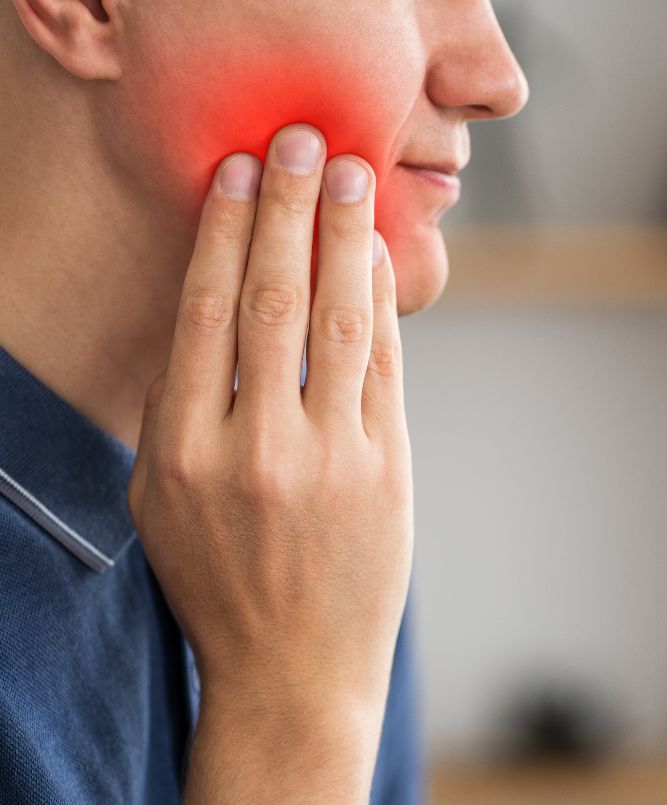
Not everyone experiences symptoms, but common signs that wisdom teeth may need removal include:
✓ Pain or pressure in the back of the mouth
✓ Swollen or tender gums
✓ Jaw stiffness or discomfort
✓ Difficulty opening the mouth fully
✓ Repeated infections near the wisdom tooth
✓ Bad breath or unpleasant taste
✓ Damage or crowding of nearby teeth
Regular dental exams help detect potential problems before they become serious.
Common Problems Caused by Wisdom Teeth
When wisdom teeth do not grow properly, they can lead to several oral health problems:
Impacted Wisdom Teeth
The tooth becomes trapped under the gum or bone, which can cause pain, infection, and swelling.
Crowding of Other Teeth
Wisdom teeth can push against neighboring teeth and disrupt orthodontic alignment.
Gum Infection
Partially erupted wisdom teeth create spaces where bacteria accumulate, leading to infection.
Tooth Decay
Because wisdom teeth are difficult to clean, they are more prone to cavities.
Cysts or Damage to Nearby Teeth
In rare cases, impacted wisdom teeth may damage surrounding teeth or jawbone.
Removing problematic wisdom teeth early can prevent these complications.
The Wisdom Teeth Removal Procedure
At Ararat Dental, we prioritize patient comfort and clear communication throughout the procedure.
1. Consultation and Digital Imaging
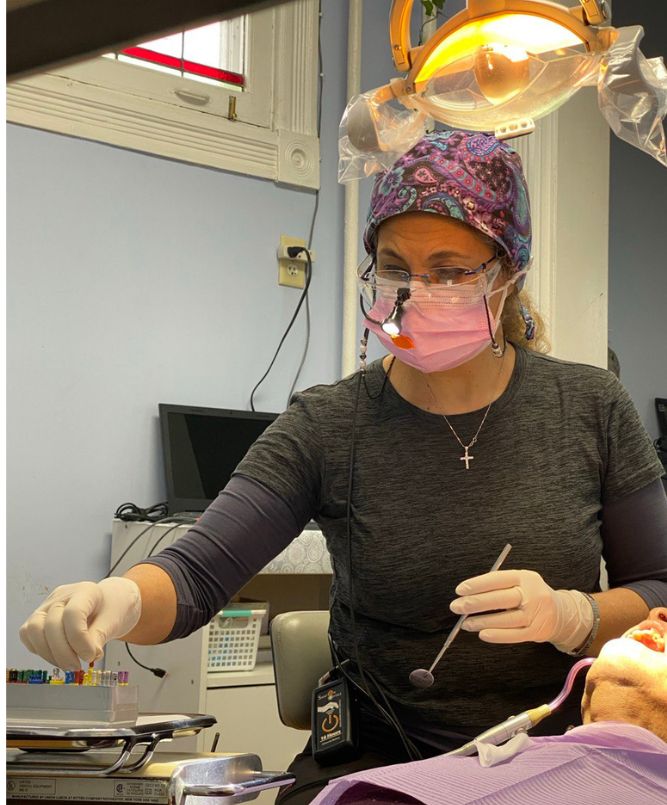
Your dentist will perform a thorough examination and take digital X-rays to evaluate the position of your wisdom teeth.
2. Treatment Planning
Based on the evaluation, we determine whether removal is necessary and explain the procedure in detail.
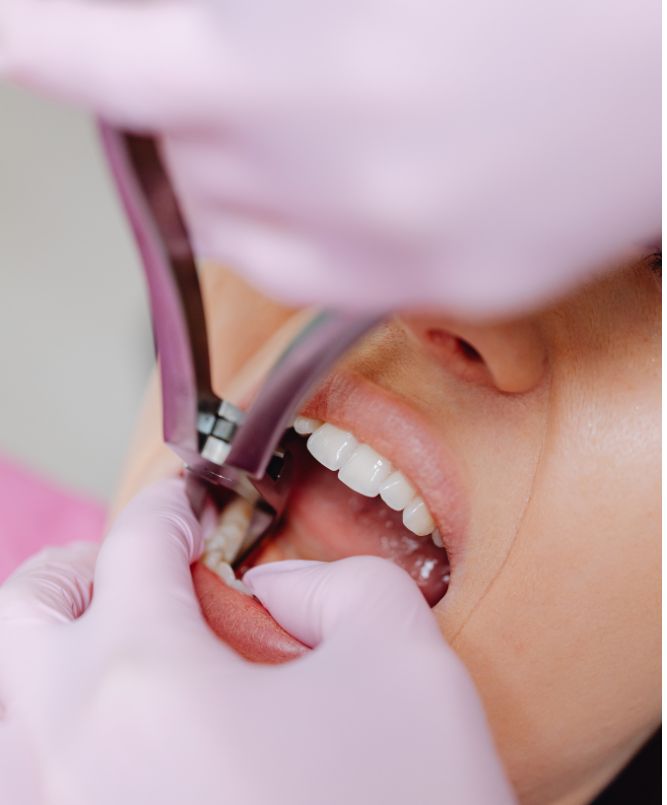
3. Comfortable Tooth Extraction
Local anesthesia or sedation options are used to ensure the procedure is comfortable and stress-free.
4. Recovery and Healing
Most patients recover within a few days with proper aftercare instructions.
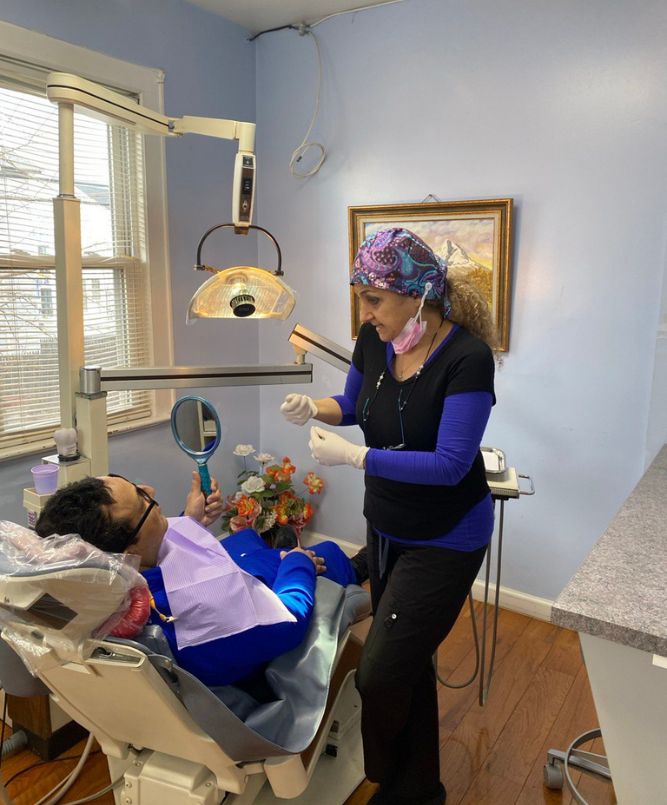
Recovery After Wisdom Teeth Removal
Healing typically takes a few days to one week. Our team provides detailed aftercare instructions to support a smooth recovery.
Patients are generally advised to:
✓ Rest for the first 24 hours
✓ Eat soft foods such as soup, yogurt, or mashed potatoes
✓ Avoid smoking and drinking through a straw
✓ Apply cold compresses to reduce swelling
✓ Keep the area clean as directed by your dentist.
Following these guidelines helps minimize discomfort and speeds up healing.
Benefits of Wisdom Teeth Removal
Removing problematic wisdom teeth can provide several long-term benefits:
✓ Prevents pain and infections
✓ Protects nearby teeth from damage
✓ Reduces risk of gum disease
✓ Prevents crowding and orthodontic problems
✓ Improves overall oral health.
Early evaluation often makes treatment easier and recovery faster.
Schedule Your Wisdom Teeth Consultation
Frequently Asked Questions
Most dentists evaluate wisdom teeth between ages 17 and 25, but removal may be recommended earlier or later depending on the situation.
No. If wisdom teeth grow normally and do not cause problems, they may not require removal.
The procedure itself is not painful because anesthesia is used. Some mild discomfort may occur during recovery.
The procedure usually takes 30 to 60 minutes, depending on the complexity.
Most patients return to normal activities within 2–3 days, although full healing may take about a week.
Soft foods such as yogurt, soup, mashed potatoes, smoothies, and eggs are recommended during the first few days.
Contact your dentist if you experience severe pain, prolonged bleeding, fever, or swelling that worsens after several days.